
singing bowls on an alter for healing PMDD

Therapy & Coaching for PMDD & PME

Serving clients locally in San Rafael, Marin, and virtually in California & Washington, Coaching available in other states.

Have you found yourself googling things like “PMS hell” or asking ChatGPT to help make sense of your symptoms? Have you gone down Reddit rabbit holes, trying to find medications or treatments to relieve your symptoms?

Have you felt like therapy hasn’t fully addressed the depth of hell you experience each month?

Do the people closest to you—friends, partners, family—struggle to understand whats happening for you?

If you’ve landed on this page, you may already suspect that what you’re struggling with is more than “just PMS.”

I offer specialized PMDD & PME therapy & coaching based on extensive training, lived experience, and work with clients suffering from PMDD & PME.
How I Can Help

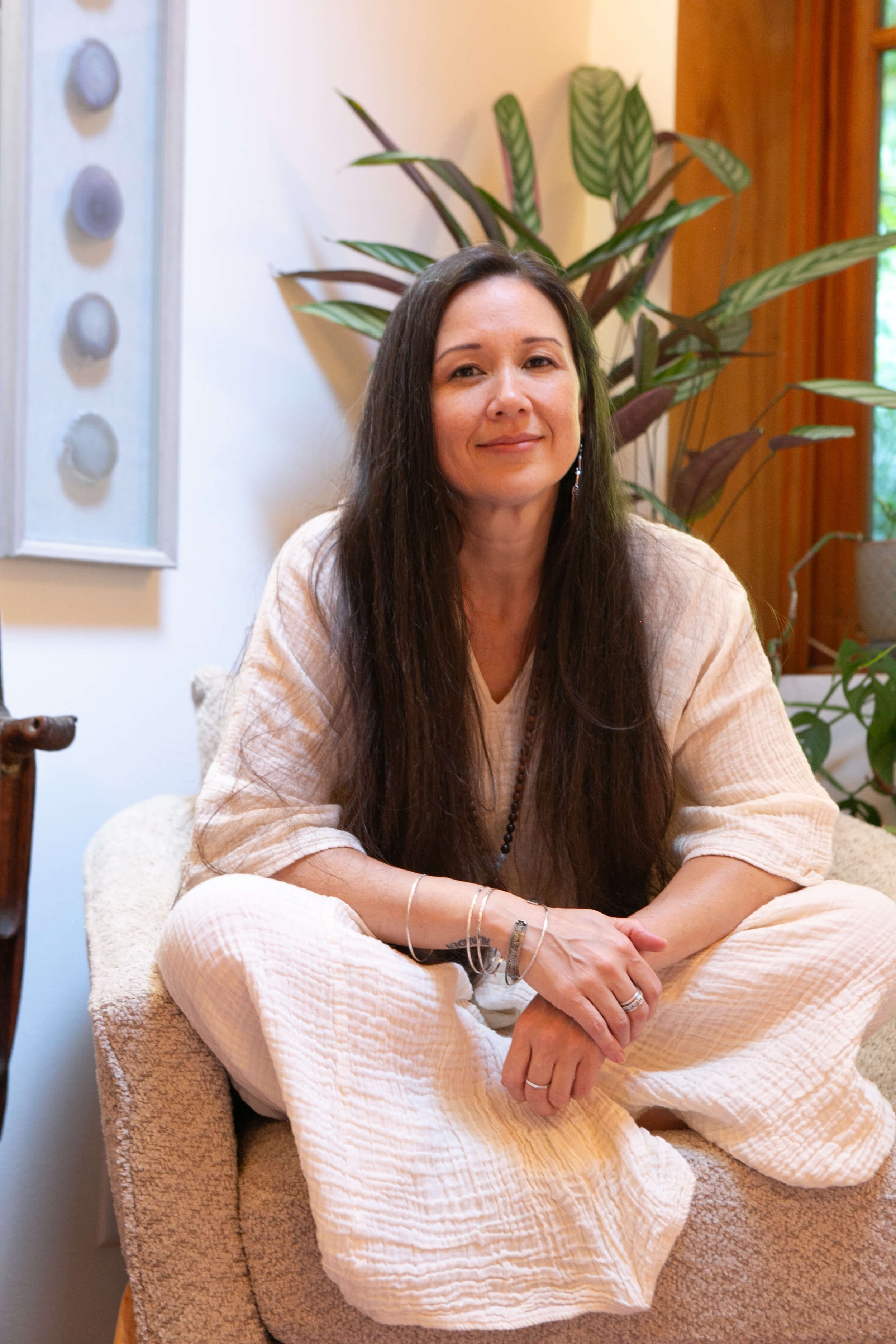
Soft, calming therapy space with neutral seating and natural light, supporting somatic therapy and PMDD emotional regulation.

I work with people—including trans & non-binary folks— who are exhausted from fighting their bodies and brains every month. PMDD and PME can make you feel hijacked by your emotions—overwhelmed, reactive, ashamed, resentful, and completely unlike yourself. It can feel confusing, isolating, and deeply unfair.

My approach focuses on understanding your cycle, noticing patterns and triggers, and learning practical and somatic coping skills when symptoms intensify. I help clients develop clear, practical protocols to help you respond to emotional and physical shifts, rather than feeling blindsided by them each month.

Therapy won’t stop the hormonal shifts, but it can change how you move through them. I support clients in building awareness, self-compassion, nervous system support, and practical tools so these waves don’t feel quite as consuming—or so personal—each month.

I offer PMDD/PME therapy for clients in San Rafael, Marin County and virtually throughout California & Washington. PMDD/PME Coaching is available in other states. I collaborate with psychiatrists, OB-GYNs, and other medical providers to support comprehensive care, and can help you connect with a qualified provider if needed.

My Services

Therapy or Coaching for PMDD & PME

PMDD and PME therapy for mood shifts, anxiety, and emotional dysregulation.

Partner Support

Support for partners of those with PMDD/PME to improve communication and emotional regulation.

Ketamine-Assisted Therapy

Ketamine-Assisted Therapy timed to the luteal phase for PMDD support.

Consultation

Consultation for therapists and providers on PMDD, PME, and treatment approaches.

Here’s what therapy can offer:

⟶ Understanding Your Cycle & Triggers:

PMDD & PME isn’t just about timing—it’s about how stress, relationships, and old emotional patterns interact with hormonal shifts. I help you track how symptoms unfold over time and explore what’s being activated beneath the surface. Often, triggers point to deeper emotional needs or unresolved wounds that deserve care and attention, not judgment.

⟶ Emotional Processing & Nervous System Support:

PMDD and PME can hijack the nervous system, making even small stressors feel urgent and overwhelming. I support clients in processing the unresolved, long-standing wounds beneath triggers and in identifying healing messages they can return to when emotions escalate. I use somatic techniques, mindfulness, polyvagal-informed strategies, IFS, and EMDR to help calm the body’s stress response and move out of survival mode more efficiently.

⟶ Learn Practical Coping Skills and Tools to Manage Dysregulation and Rumination:

I support clients in learning and building practical, personalized coping strategies that help regulate the nervous system, emotional patterns, negative thought patterns, and relationships—so symptoms feel more manageable instead of all-consuming. My work draws from CBT, DBT, IFS, Non-Violent Communication, Somatic Experiencing, meditation, yoga, EFT, and other somatic and energy-based approaches to offer a vast toolkit that can be used in real-life moments.

⟶ Supporting Relationships Impacted by PMDD & PME:

PMDD and PME doesn’t only affect you—it often impacts partners, family, and close relationships as well. This work supports clearer communication, stronger boundaries, and relational repair, so loved ones can better understand what’s happening without you carrying guilt, shame, or the pressure to explain yourself constantly. When appropriate, partners or family members may be invited into occasional sessions to learn supportive ways to respond, cope, and communicate needs more effectively.

⟶ Safety Protocols:

For those who experience suicidal thoughts or self-harm urges during PMDD & PME, this work includes creating clear safety plans for moments when symptoms escalate toward crisis. These plans focus on practical steps, internal and external supports, and grounding strategies to help increase safety during the most intense periods.

FAQS

  • I am an associate licensed therapist in California and Washington and offer psychotherapy to residents of those states. Because specialized support for PMDD and PME is often difficult to find, I also offer virtual coaching to individuals across the U.S. and internationally.

  • I’ve completed specialized training focused specifically on PMDD & PME and have experience supporting clients with PMDD and PME. I also bring lived experience with PMDD, which informs my attunement to how disruptive and disorienting this condition can be.

  • PMDD and PME go far beyond typical premenstrual changes. Symptoms can strongly affect mood, thinking, and relationships, often feeling intense, disruptive, or hard to control. What matters most is the pattern and severity: symptoms often emerge after ovulation, intensify in the days leading up to menstruation, and ease shortly after bleeding begins. When emotional or behavioral symptoms repeatedly interfere with daily life, work, or relationships each month, it may be worth exploring whether PMDD or PME is part of the picture.

  • PMDD or PME can be diagnosed by a licensed therapist, primary care doctor, OB-GYN, or psychiatrist. Diagnosis is usually based on tracking symptoms across your menstrual cycle over time and looking at patterns, severity, and how much symptoms impact daily life.

  • There’s no single treatment that works for everyone. PMDD and PME often respond best to a combination of approaches tailored to the individual.

    Medication options may include SSRIs, birth control, hormone-based treatments, and in some cases antihistamines.

    Holistic supports can include nutrition changes, supplements, regular movement, sleep regulation, and other body-based practices.

    Therapy and nervous system support may involve approaches such as CBT, DBT, IFS, EMDR, mindfulness, and polyvagal-informed work.

    Lifestyle adjustments like cycle tracking, stress reduction, self-compassion practices, yoga, meditation, diet, and exercise can also play a meaningful role.

    The most effective treatment plan is often a thoughtful combination of these approaches, adjusted over time based on what actually helps.

  • A formal diagnosis isn’t required to begin therapy. If PMDD is suspected based on symptoms, support can focus on tracking the cycle, identifying patterns, and building tools to manage symptoms more effectively. When helpful, I also support clients in advocating for medical evaluation and care. Many people struggle for years without a diagnosis—getting support sooner can make a meaningful difference.

  • Yes. PMDD & PME often affects relationships as much as it affects the individual. Therapy can support partners and family members in better understanding what’s happening, improving communication, and establishing boundaries that feel supportive rather than blaming.

    When appropriate, partners or family members may be invited into occasional sessions for education about PMDD, practical coping strategies, communication skills, and nervous system regulation tools—so support feels more informed, grounded, and sustainable for everyone involved.

  • I support people of all gender identities who experience PMDD and PME. I welcome trans and non-binary individuals struggling with premenstrual mood and emotional symptoms.

What is PMDD?

Premenstrual Dysphoric Disorder (PMDD) is a mental health condition in which the brain has an unusually intense response to the body’s normal hormonal shifts, most often during the luteal phase of the menstrual cycle (the one to two weeks after ovulation and before menstruation). PMDD is not caused by a hormone imbalance. Research shows that hormone levels are typically within normal ranges, but the brain reacts differently to the rise and fall of estrogen and progesterone.

During this phase, symptoms can feel sudden, severe, and profoundly out of character. Common experiences include:

  • Intense irritability, anger, or emotional reactivity (often disproportionate to the situation)

  • Depression, hopelessness, or intrusive thoughts

  • Anxiety, panic, or feeling keyed up or on edge

  • Intense self-criticism, shame, or feelings of worthlessness

  • Feeling unlike yourself or feeling like a different person

  • Difficulty concentrating, mental fog, or slowed thinking

  • Sleep disruption, exhaustion, and physical tension

Symptoms tend to ease within a few days after menstruation begins, which helps distinguish PMDD from non-cyclical mood disorders, though patterns can change during perimenopause as hormonal fluctuations become less predictable. While some physical symptoms like bloating or breast tenderness may occur, PMDD does not cause heavy periods, severe cramps, or chronic period pain—its primary impact is on mood, emotional regulation, and mental health.

Why PMDD Can Feel So Overwhelming

PMDD can affect relationships, work, decision-making, and a person’s sense of self. Symptoms are hormone-triggered but often sudden and unpredictable, with mood shifts that can fluctuate across the luteal phase in ways that are unique to each individual.

PMDD can involve severe emotional distress, including suicidal thoughts or urges, particularly during the luteal phase, which is why informed and attentive mental health support is important.

PMDD symptoms can worsen during major reproductive transitions such as puberty, postpartum, perimenopause, and menopause. Understanding that PMDD is a biological sensitivity with real mental health effects—not a personal failing—can be an important step toward getting the right support.

What is PME?

Premenstrual Exacerbation (PME) occurs when a pre-existing mental health condition—such as depression, anxiety, OCD, ADHD, PTSD, or bipolar disorder—worsens during the luteal phase of the menstrual cycle (the one to two weeks after ovulation and before menstruation).

How PME Differs From PMDD:

PMDD and PME can look very similar on the surface, and some people experience both. The key difference lies in timing and baseline symptoms:

  • PMDD: Symptoms are largely cyclical, emerging after ovulation and easing shortly after menstruation begins (though patterns may shift during perimenopause).

  • PME: Symptoms of an existing condition are present outside the luteal phase, but worsen predictably during luteal phase of the menstrual cycle.

In other words, PMDD is a hormone-sensitive mental health condition with its own distinct, cyclical symptom pattern, while PME refers to the premenstrual worsening of an existing mental health condition.

You can learn more about PMDD and PME through the The International Association for Premenstrual Disorders (IAPMD), a lifeline of support, information, and resources for those affected by Premenstrual Dysphoric Disorder (PMDD) and Premenstrual Exacerbation (PME).

Ketamine-Assisted Therapy for PMDD/PME

woman with PMDD holding her belly

I offer cycle-timed Ketamine-Assisted Therapy (KAP) for individuals experiencing severe luteal-phase mood symptoms from PMDD and PME. Ketamine may support mood and reduce emotional intensity during this phase, creating more space to work with what’s emerging internally.

KAP is a supportive, adjunctive approach that works alongside treatment from a qualified psychiatrist, OB-GYN, or other medical provider. Sessions are intentionally timed during the luteal phase, when symptoms are often most pronounced.

Ready to Dive In ?

I offer a free 20-minute consultation to learn more about my approach and services, and see if its a good fit.