
a deeper therapeutic path
Ketamine-Assisted Therapy in Marin
Soften old patterns. Reconnect with yourself. Create space for meaningful change.
Based in San Anselmo and serving clients throughout Marin County, including San Rafael, Novato, Fairfax, Ross, Kentfield, Larkspur, Mill Valley, and West Marin, with an additional Berkeley location.
SHIFTING WHAT FEELS STUCK
When talking about it isn’t enough,
KAP can create another way in.
Ketamine-Assisted Therapy (KAP) works with trauma stored in the nervous system—patterns shaped by early experiences, systemic stress, and intergenerational wounds. As ketamine softens protective defenses and expands inner awareness, people can meet sensations, emotions, and implicit memories with greater compassion and curiosity, often reconnecting with a deep sense of resilience.
As old burdens loosen, many experience greater ease, presence, and trust in themselves—allowing life to move forward with more clarity and alignment.
opening space for change
Potential Benefits of KAP:
KAP is particularly beneficial if you feel stuck in traditional therapy or struggle to make progress or meaningful change in your life.
01
Healing Trauma
Gently releases deep-rooted trauma, softening protective and defensive mechanisms.
02
Mood Disorder Relief
Provides lasting relief from PTSD, OCD, PMDD, depression, and anxiety.
03
Emotional Regulation
Improves resilience and regulation, helping manage stress, anxiety, and emotional overwhelm.
04
Greater cognitive flexibility
May help loosen rigid thought patterns and create room for new perspectives.
05
Spiritual Growth
Deepens intuition, self-discovery, and connection to your authentic self.
06
Connection to Oneness
Facilitates experiences of spiritual awakening, oneness, and connection to the divine, universe, and earth.
creating new neural pathways
How Does Ketamine Work?
Ketamine creates a window for change.
Therapy helps that change take root.
Ketamine isn’t just a medicine—it’s a doorway. A doorway out of isolation, out of looping thought patterns, out of old stories that keep you feeling stuck. Unlike traditional antidepressants that work by increasing serotonin, ketamine acts on the glutamate system, stimulating neuroplasticity—the brain’s ability to form new pathways. These changes can interrupt the grip of depression, anxiety, and trauma, often bringing relief within hours instead of weeks.
By quieting the overactive parts of the brain that keep us stuck in rumination and self-protection, ketamine helps soften rigid thought patterns and defensive mechanisms. It can open space for emotional flexibility, fresh perspective, and a felt sense of connection—often the very things that feel out of reach in daily life. Ketamine may open the door, but it’s in the therapeutic relationship and integration process where the real transformation takes root.
Want to learn more about ketamine-assisted psychotherapy? Explore the research behind its potential benefits and effectiveness.

HEALING THE WHOLE SELF
My Approach To KAP
A central part of how I work in KAP is helping clients identify the core beliefs shaped by trauma, conditioning, lived experience, and long-standing self-criticism. From there, we transmute those narratives into life-affirming ones rooted in self-forgiveness, understanding, and a grounded sense of self-worth.
During sessions, I guide clients through a meditation-based inner journey while the brain is in a uniquely open, neuroplastic state. As ketamine softens rigid patterns and quiets survival responses, new ways of relating to oneself can begin to take root—often landing not just cognitively, but emotionally and somatically, creating meaningful and lasting shifts in self-relationship.
Ketamine helps quiet the brain’s habitual stress responses, allowing the nervous system to move out of survival mode. As the body settles, I support clients in releasing fear held in the nervous system and emotional pain stored in the body. Over time, this integrative work supports a rewiring toward greater regulation, connection, and inner coherence.
For clients drawn to a more spiritual dimension of healing, I incorporate elements of ancestral and transpersonal approaches. This may include connecting with benevolent ancestors or spirit guides or unburdening family and collective trauma. We may also explore ways of rekindling the spirit and accessing the resilience that emerges through interconnectedness—whether through relationship to ancestors, nature, or a deeper connection to your true self.
medicine sessions
The Ketamine Experience
The ketamine experience varies for each person and is shaped by dose, mindset, and intention. At lower therapeutic doses, ketamine relaxes the body and mind, softens protective defenses, and allows greater access to emotion and insight. Clients may experience a shift in perception, emotional clarity, or relief from longstanding blocks that once felt immovable.
At higher psychedelic doses, ketamine facilitates a more inward, expansive journey. The usual sense of time, identity, or physical form may soften, creating space for deep personal exploration and profound connection—whether to the self, to others, to nature, or to something greater. Clients often describe this state as peaceful, spacious, or spiritually meaningful, with the potential to release old wounds and experience a renewed sense of wholeness.
A STEP-BY-STEP GUIDE TO KETAMINE-ASSISTED THERAPY
The KAP Treatment Path
-
If we decide to work together, we’ll schedule an intake session to assess your mental health history, treatment goals, and determine if KAP is a good fit.
-
Schedule a medical consultation with my medical perscriber to be cleared medically for KAP.
-
We will meet weekly for a minimum of 3 preparation sessions (50 minutes). During this time we’ll clarify goals, customize a treatment plan, prepare for your experience, practice coping skills, and do small bodies of therapeutic work to prepare your for the medicine sessions.
-
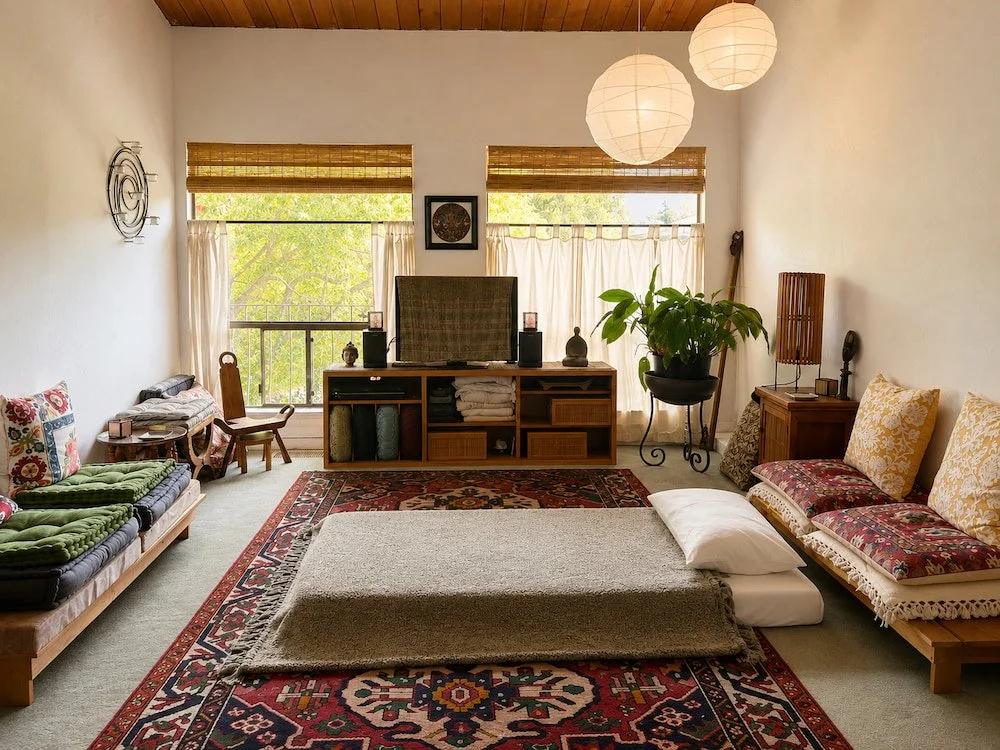
KAP sessions are typically three hours long, although the length may vary based on your treatment plan. Sessions are available in person at my Berkeley or San Anselmo office, or via telehealth. Most clients begin with a series of three to six medicine sessions, ideally scheduled once a week.
-
A few days after each ketamine medicine session, we’ll meet virtually for a 50-minute integration session to process your experience and explore how to bring its insights into your daily life in ways that support meaningful, lasting change.

Who is a Good Candidate for KAP?
You may be a good fit for KAP if you:
● Struggle with depression, anxiety, PTSD/trauma, OCD, PMDD, or want to explore healing beyond conventional talk therapy.
● Feel stuck in emotional patterns or trauma responses that keep you disconnected from yourself or others.
● Are drawn to integrative, holistic, or spiritual approaches that go beyond just reducing symptoms.
● Want to include somatic healing and nervous system work.
● Are seeking a therapeutic experience rooted in deep presence, relational healing, and expanded awareness.
● Want to heal ancestral, intergenerational, and collective trauma.
FAQs
Your Questions, Answered
-
You can book a 20-min complimentary intro call to learn more about the KAP treatment path and how I work. The next step is to schedule a paid 50-min intake session to assess appropriateness for KAP, clarify treatment goals, and determine if its a good fit.
-
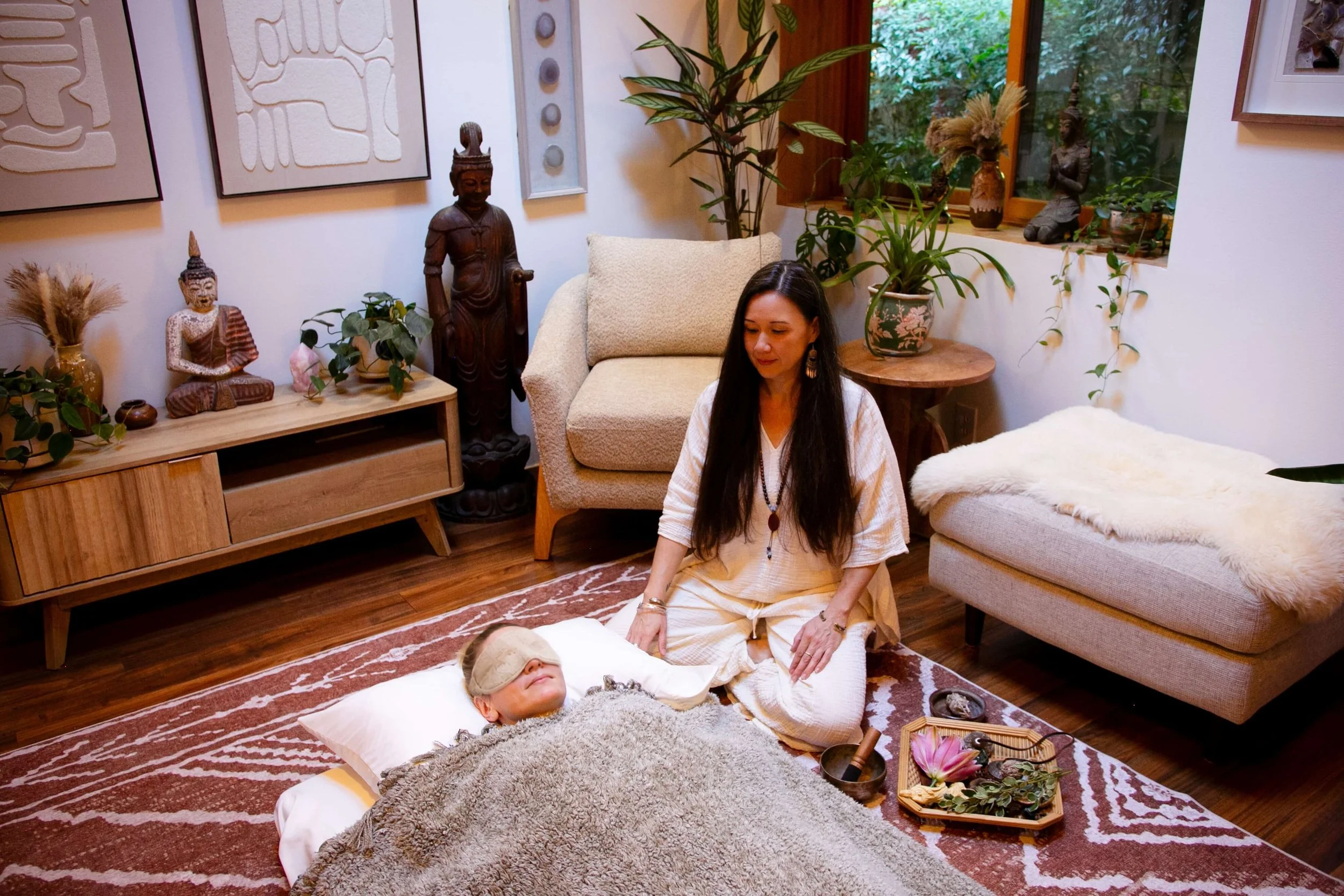
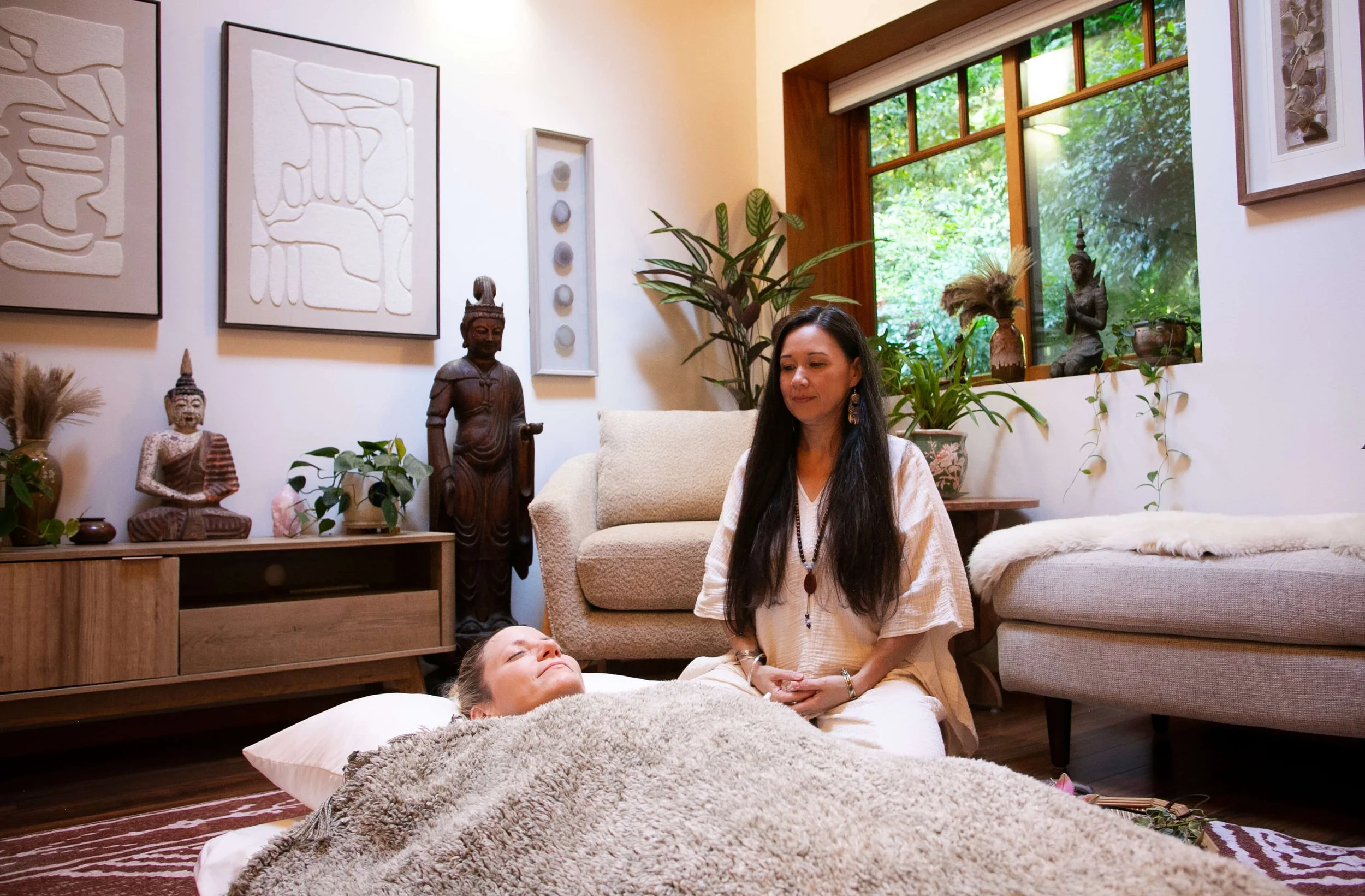
You’ll take your prescribed ketamine lozenges in a safe, supportive setting while lying down with an eye mask and music. I’ll be present the entire time, supporting you somatically and relationally. The healing process differs every time, and I adapt my approach to each person.
-
Everyone’s healing path is unique. You are required to commit to a minimum of 3 preparation sessions, 3 ketamine lozenge sessions, and 3 integration sessions. For complex trauma I recommend a minimum of 6 ketamine lozenge sessions.
-
KAP may be helpful if you’re dealing with depression, anxiety, PTSD, PMDD, OCD, or challenging life transitions and want a deeply integrative and body-based approach. During the intake assessment and medical consultation the medical prescriber and I will determine if KAP is an appropriate treatment for you.
-
Please refer to the KAP Fees & Policies page.
-
I am currently out-of-network and do not bill insurance directly. However, I can provide superbills for you to submit to your insurance for potential reimbursement.
WHERE NEUROPLASTICITY MEETS TRAUMA THERAPY
Ketamine-Assisted EMDR Therapy
Low-dose ketamine may be thoughtfully integrated with EMDR to support a gentler, more flexible approach to trauma processing.
download the KAP guide
Understand the process.
Know what to expect.
Receive an introduction to KAP, the treatment process, and my approach.
Let’s connect
Ready to Dive In?
I offer a free 20-minute consultation to learn more about my approach and services, and see if it’s a good fit.